The 60-Day Grace Period: A Practical Guide for F-1 Students
Your OPT expired, or you hit your 90-day unemployment limit. What happens now? Here is exactly how the 60-day grace period works.
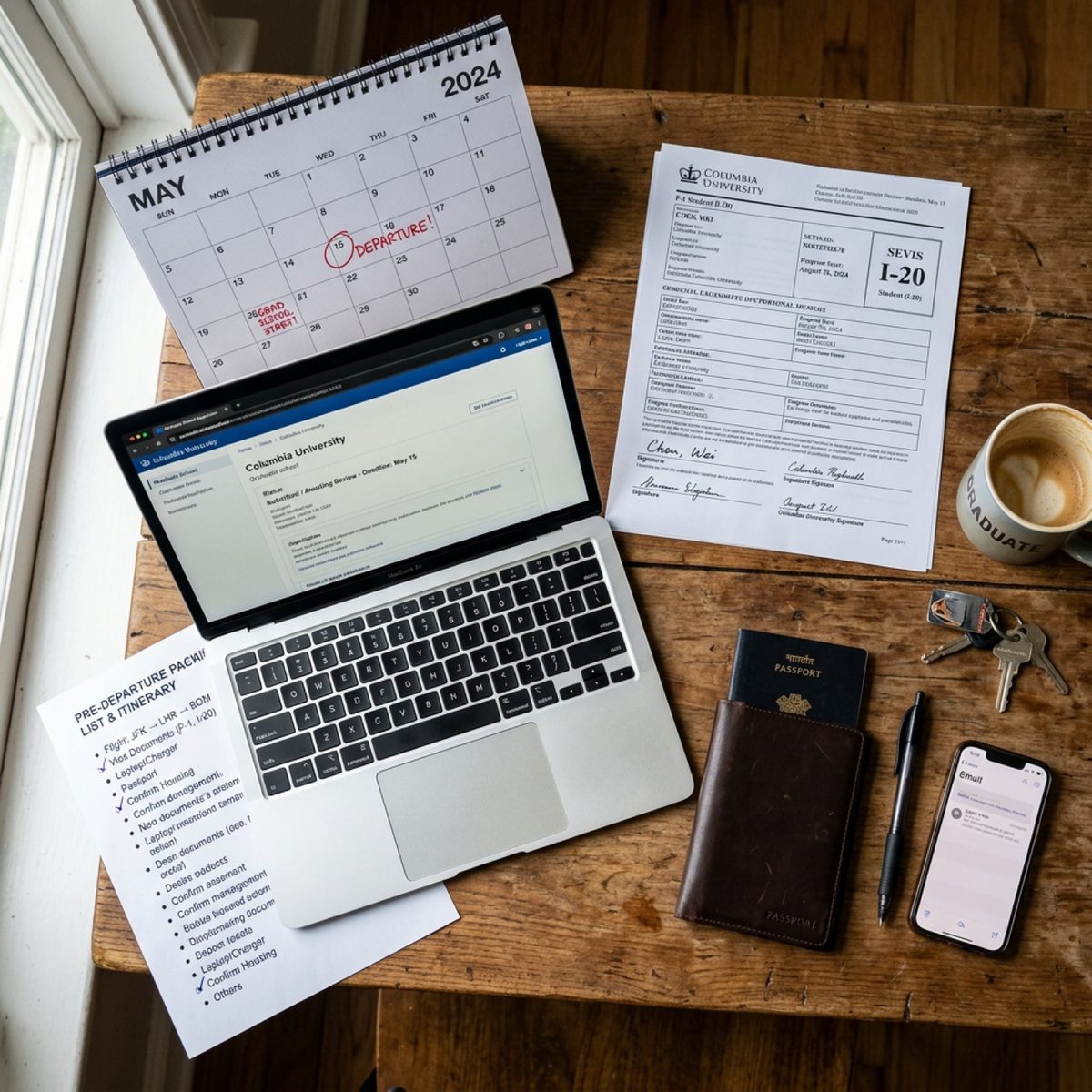
The US immigration system provides a buffer for F-1 students transitioning out of their status. This buffer is known as the 60-day grace period. However, many students misunderstand when it applies, what they can do during this time, and how travel affects it.
When Do You Get a 60-Day Grace Period?
You are granted a 60-day grace period in three specific scenarios:
- Program Completion: After you graduate, before your OPT starts (or if you choose not to apply for OPT).
- OPT Expiration: After you successfully complete your 12-month standard OPT or 24-month STEM OPT extension.
- Hitting the Unemployment Limit (Sometimes): If you exceed your 90-day OPT unemployment limit (or 150 days on STEM), technically you fall out of status immediately. However, historically, SEVP has not auto-terminated records on day 91, effectively giving students a de facto grace period to leave the country. Do not rely on this—always assume you must leave immediately if you breach the unemployment limit.
When You Do NOT Get a Grace Period
If you drop out of school, are expelled, or if your SEVIS record is terminated by your DSO for violating your status (like working illegally), you do not receive a 60-day grace period. You must depart the United States immediately.
What Can You Do During the Grace Period?
During the 60 days following your OPT expiration, you have three legal options:
1. Prepare to Depart the US
The primary purpose of the grace period is to give you time to pack your apartment, sell your car, say your goodbyes, and arrange travel back to your home country.
2. Transfer to a New Degree Program
You can use the 60 days to transfer your SEVIS record to a new school to start a new degree (e.g., finishing a Bachelor's and transferring to start a Master's). Your new program must start within 5 months of your OPT end date or the transfer release date, whichever is earlier.
3. Change Your Visa Status
If you have a pending H-1B petition, you can remain in the US while it processes (this is covered under Cap-Gap). You can also use this time to file a change of status to a different visa category, such as an F-2 dependent visa, a B-2 tourist visa (to give yourself more time to wrap up affairs), or an O-1 visa.
The Golden Rules of the Grace Period
- NO WORKING: You absolutely cannot work during your grace period. The moment your EAD card expires, you must stop working, even if you are waiting for a STEM extension or H-1B to be approved.
- NO RE-ENTRY: If you leave the United States during your 60-day grace period, the grace period ends immediately. You cannot travel to Mexico for a week and re-enter the US using your expired EAD and F-1 visa. Once you leave, you cannot come back on that F-1 record.
Never Miss a Deadline
The transition from OPT to the grace period is critical. TrackMyOPT automatically calculates your exact expiration dates and sends you warnings well before your grace period begins, so you have plenty of time to apply for a STEM extension, transfer schools, or pack.
Track Your Status with Confidence
Don't guess when your status expires. Use TrackMyOPT's precision timeline tools to know exactly when your grace period starts and ends.