Salary Negotiation for International Students on OPT
Many international students accept the first offer they receive because they fear losing H-1B sponsorship. Here is how to negotiate without risking the offer.
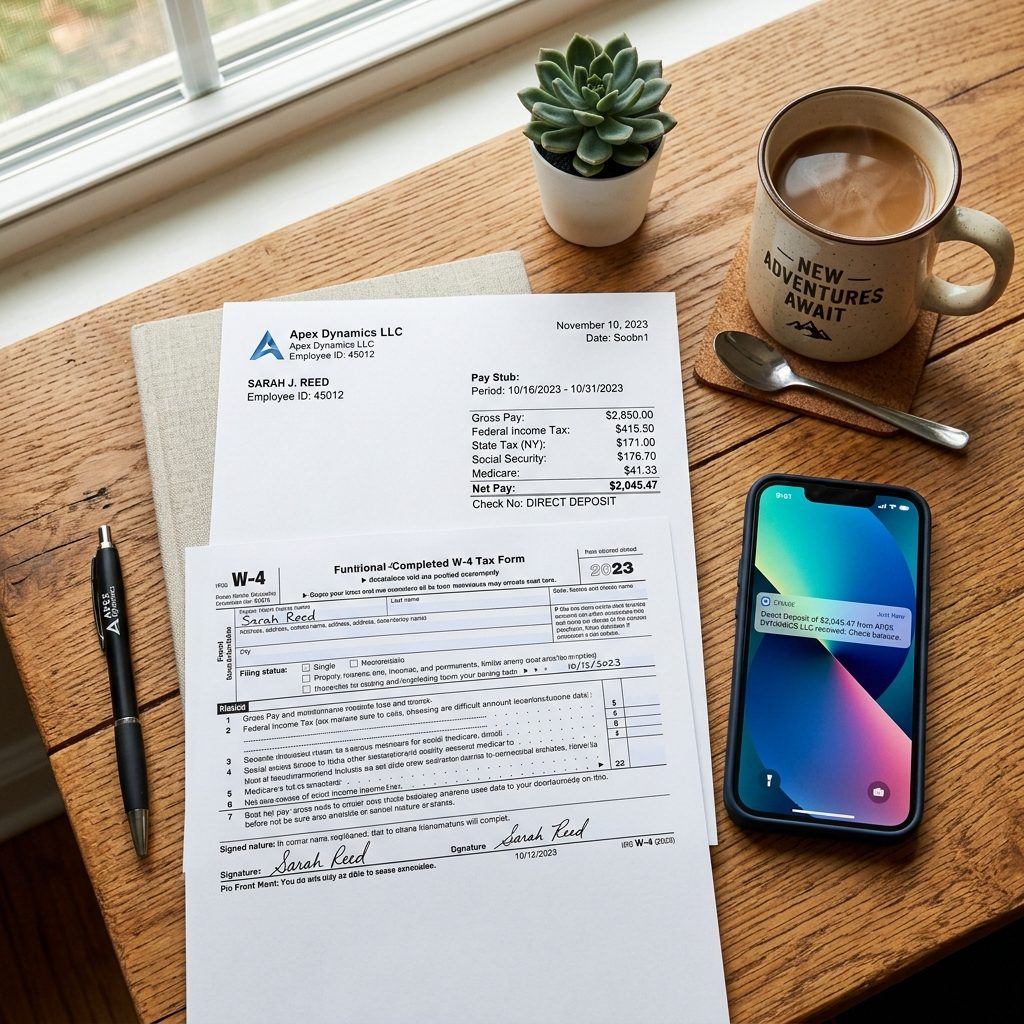
When an employer finally says "Yes, we will sponsor your H-1B," the immediate instinct for an international student is to sign the offer letter immediately. The fear is that if you push for more money, they will realize you are too "expensive" or "difficult" and rescind the offer. This fear costs international students thousands of dollars every year.
The Psychology of the Offer
If a company has extended an offer to you—knowing you require OPT and eventual H-1B sponsorship—they have already decided you are the best candidate. They have already had the internal HR battle about immigration legal fees. You have more leverage than you think. Rescinding an offer because a candidate asked for a standard 5-10% increase is exceptionally rare in the corporate world.
H-1B Prevailing Wage: Your Secret Weapon
To sponsor an H-1B, the Department of Labor requires companies to pay the "Prevailing Wage" for that specific job in that specific geographic area. Sometimes, the initial OPT offer is lower than what the H-1B prevailing wage will be.
The Strategy: Use the H-1B visa database (like H1Bdata.info) to look up what the company pays its current H-1B workers with your title. If your offer is $85,000, but the H-1B database shows they pay $95,000 for the same role, you have data-backed leverage to ask for a match.
What to Negotiate Besides Base Salary
If the HR recruiter says, "Our base salaries for entry-level roles are fixed," you do not stop negotiating. You pivot to other forms of compensation that are easier for HR to approve.
- Sign-On Bonus: A one-time payment of $5,000 to $15,000 is often easier to approve than a permanent $5k increase in base salary.
- Relocation Assistance: Ask for a lump sum (e.g., $3,000 - $10,000) to cover moving your life to a new state.
- Immigration Costs: Ensure the company pays for Premium Processing for your H-1B (a $2,805 fee). If they won't increase your salary, having them cover premium processing is a massive financial win.
The STEM OPT Training Plan Trap
Under STEM OPT rules, your compensation must be "commensurate" with similarly situated US workers. If you accept a heavily low-balled offer just to get the job, it could raise red flags during your I-983 review or future H-1B processing.
The Script: How to Ask
Never negotiate via text or rushed phone calls. Send a professional, gracious email. Here is a proven template:
"Thank you so much for this offer. I am thrilled about the opportunity to join [Company] and contribute to the [Team Name] team. I am fully committed to joining, but I was hoping we could discuss the base salary. Based on market research for this role in [City], and the specific [Skill] experience I bring, would you be open to increasing the base to [Target Salary]? If we can reach this number, I am ready to sign today."
Don't Let the Clock Force Your Hand
The main reason students don't negotiate is because their 90-day unemployment clock is running out. TrackMyOPT helps you track your timeline so you know exactly how many days of leverage you actually have left.
Negotiate with Confidence
Know exactly how much time you have left to safely negotiate. Use TrackMyOPT's unemployment tracker to maintain your leverage during the hiring process.
Related Resources
Answering Sponsorship Questions
Before you can negotiate, you have to pass the HR screening. Learn how to answer the sponsorship question perfectly.
Read GuideH-1B Visa Alternatives
If they won't cover Premium Processing for the H-1B, you might need to look into alternatives if you don't get selected.
Read Guide